Do Exercise Snacks Actually Replace a Real Workout? An Honest Look at the Research
Exercise snacks — brief bursts of movement scattered through the day — get marketed with an implicit promise that they can fully substitute for a structured workout, and the actual research supports something more specific and more limited than that broad claim. Here is what the evidence actually shows, and how to use exercise snacks appropriately rather than as a complete replacement for real training.

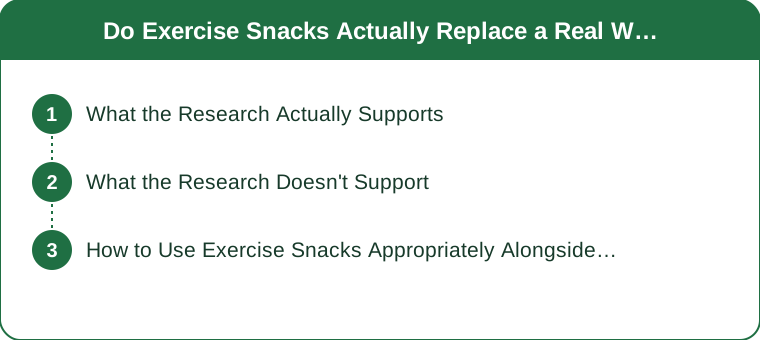
What the Research Actually Supports
The genuine, evidence-backed benefits: the the-research-shows-real-cardiovascular-and-metabolic-benefit-from-brief-frequent-movement-bouts (the studies on brief, frequent activity bursts throughout the day showing genuine, measurable cardiovascular and metabolic benefits, particularly for people who would otherwise be almost entirely sedentary, per the exercise-snacks-science-guide logic — the the-cardiovascular-and-metabolic-benefit-for-a-mostly-sedentary-baseline-is-real-and-well-supported), the the-exercise-snacks-show-particular-benefit-for-blood-sugar-regulation-specifically (the brief movement breaks, particularly after meals, showing specific research support for improving blood sugar regulation, a benefit distinct from and additional to general cardiovascular fitness — the blood-sugar-regulation-benefit-is-a-specific-and-well-supported-finding-in-its-own-right), the the-the-research-population-most-supporting-exercise-snacks-is-specifically-people-starting-from-high-sedentary-time (the strongest research support coming specifically from studies on people with high total sedentary time, meaning the demonstrated benefit is most clearly established for that specific starting point rather than universally across all fitness levels — the the-strongest-evidence-specifically-applies-to-a-highly-sedentary-starting-point-population), and the frame (the genuine research support as real cardiovascular and metabolic benefit from brief frequent movement, particular strength in the specific area of blood sugar regulation, and strongest evidence specifically for people starting from high sedentary time — real, meaningful, but more specific than a blanket ‘replaces exercise’ claim).

What the Research Doesn’t Support
The limits of the claim: the the-research-doesnt-show-exercise-snacks-matching-the-strength-building-benefit-of-structured-progressive-resistance-training (the muscle strength and hypertrophy benefits requiring progressive overload over time, per general resistance training physiology, which brief, unstructured movement snacks generally don’t provide in the same way a structured program does — the strength-and-hypertrophy-benefits-specifically-require-progressive-overload-that-exercise-snacks-typically-dont-provide), the the-research-doesnt-show-exercise-snacks-matching-the-cardiovascular-fitness-ceiling-that-sustained-structured-cardio-training-can-reach (the meaningful cardiovascular fitness improvement beyond a certain baseline generally requiring more sustained effort duration than brief scattered bouts typically provide, meaning exercise snacks show clearest benefit for people starting from very low activity rather than for someone trying to significantly raise an already-moderate fitness level — the cardiovascular-fitness-improvement-beyond-a-baseline-level-generally-requires-more-sustained-duration-than-scattered-brief-bouts-provide), the the-marketing-language-often-implies-a-complete-substitution-that-the-underlying-research-doesnt-actually-claim (the popular framing of exercise snacks as a full workout replacement outpacing what the actual research, which focuses more specifically on baseline cardiovascular and metabolic benefit for sedentary populations, actually demonstrates — the popular-marketing-framing-has-outpaced-what-the-underlying-research-specifically-supports), and the frame (the honest limits as no demonstrated match to structured resistance training’s strength benefit, no demonstrated match to sustained cardio’s fitness-ceiling-raising benefit, and a real gap between marketing claims and what the underlying research specifically supports).
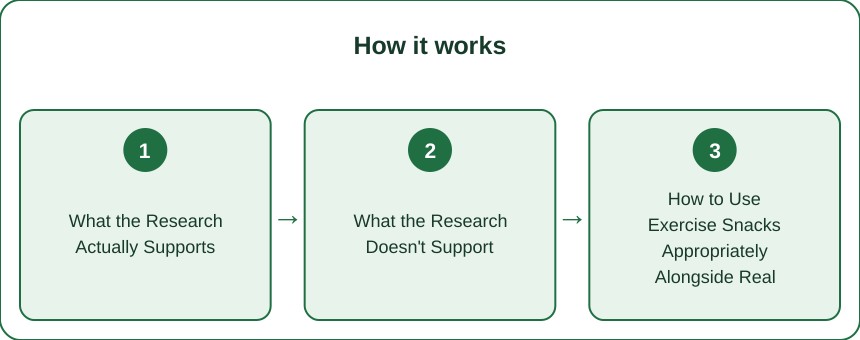
How to Use Exercise Snacks Appropriately Alongside Real Training
The realistic approach: the use-exercise-snacks-as-a-genuine-addition-for-an-otherwise-sedentary-day-not-a-replacement-for-planned-training (the treating exercise snacks as valuable additional movement specifically for the sedentary hours of a day that already includes planned structured training, rather than as a substitute for that training, per the desk-exercise-snacks-guide logic — the exercise-snacks-work-best-as-a-genuine-addition-to-not-a-substitute-for-planned-structured-training), the the-rely-on-exercise-snacks-as-a-legitimate-full-strategy-specifically-during-a-period-when-structured-training-genuinely-isnt-possible (the exercise snacks being a genuinely reasonable full strategy specifically during a busy period, illness recovery, or other circumstance where structured training truly isn’t currently feasible, rather than treating them as inherently inferior in all circumstances — the exercise-snacks-are-a-legitimate-full-strategy-specifically-when-structured-training-genuinely-isnt-currently-feasible), the the-include-some-resistance-or-strength-focused-exercise-snacks-not-just-cardio-focused-ones (the incorporating brief resistance-based movements — squats, push-ups — into the exercise snack rotation rather than exclusively cardio-style movement, capturing at least some strength benefit even if not matching a full progressive program — the including-resistance-focused-snacks-captures-some-strength-benefit-even-without-matching-a-full-structured-program), and the frame (the realistic use as a genuine addition on days that already include planned training, a legitimate full strategy specifically during periods when structured training isn’t currently feasible, and including resistance-focused snacks alongside cardio-focused ones — exercise snacks as a real, valuable, evidence-backed tool with a specific and honest scope, not a full substitute for everything structured training provides).
Exercise snacks have genuine, well-supported research backing for cardiovascular and metabolic benefit from brief frequent movement bouts, with particularly strong evidence specifically for blood sugar regulation and for people starting from a highly sedentary baseline — but the research doesn’t show them matching the strength and hypertrophy benefits of structured progressive resistance training, or the cardiovascular fitness ceiling that sustained structured cardio can reach beyond a certain baseline, meaning popular marketing framing them as a full workout substitute has outpaced what the underlying research actually specifically demonstrates. Using them appropriately means treating exercise snacks as a genuine addition to an otherwise sedentary day that already includes planned structured training rather than a replacement for it, recognizing them as a legitimate full strategy specifically during periods like a busy stretch or illness recovery when structured training genuinely isn’t currently feasible, and including some resistance-focused movements like squats or push-ups in the rotation alongside cardio-style ones to capture at least some strength benefit even without matching a full structured program.
Keep Reading
This article is for general informational purposes only and is not medical advice. Always consult a qualified health professional for guidance specific to you.